
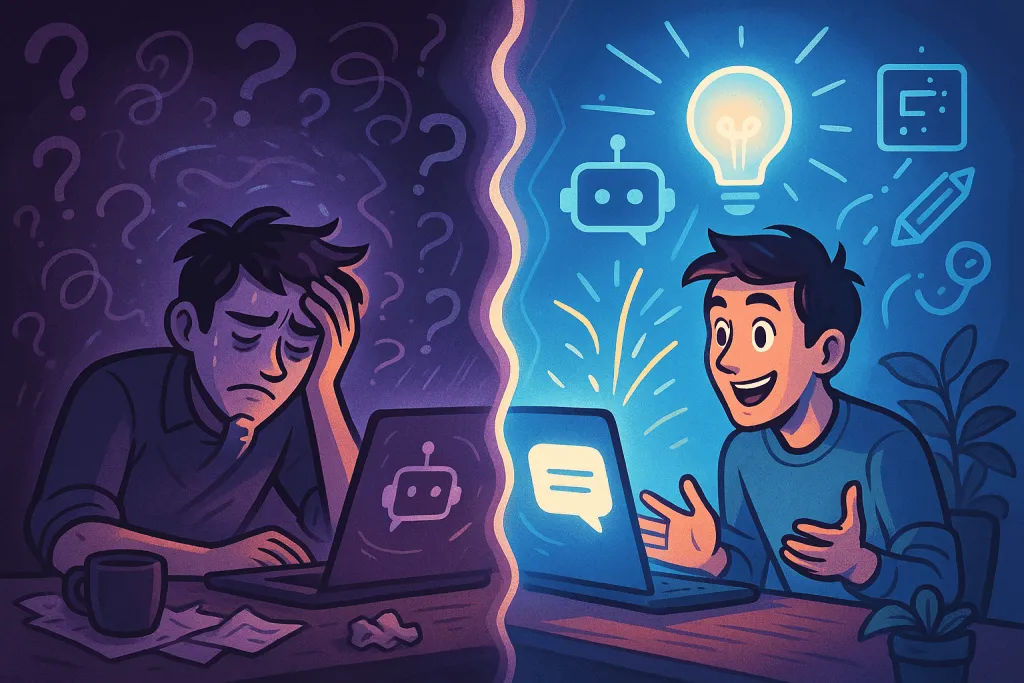
Digital marketing is used to reach the right audience at the right moment through digital channels to build awareness, generate leads, drive sales, and deepen customer loyalty more efficiently than traditional methods. It leverages data and analytics for precise targeting, personalization, and measurable ROI across the full customer journey.
Core purposes
Digital marketing increases brand visibility globally and locally, attracts qualified traffic, converts visitors into customers, and nurtures long-term relationships through ongoing engagement and retention programs. These uses are enabled by channels like search, social, email, paid media, content, mobile, and automation working in concert.
Brand awareness
Digital channels allow brands to scale awareness across regions and segments at relatively low cost compared with traditional media, from global reach to hyperlocal visibility via local SEO, maps, and geo-targeted ads. Always-on content, social media, and video expand share of voice while enabling interaction and community building.
Demand generation
Search engine optimization and search ads capture intent when people actively look for solutions, while social ads and display introduce offerings to relevant audiences based on interests and behaviors. Thought leadership content, webinars, and videos educate prospects and warm them up for sales conversations.
Lead acquisition
Landing pages, lead magnets, and forms convert traffic into contacts, while UTM tracking and analytics attribute sources and costs. Paid channels like PPC and social lead-gen formats, combined with SEO-driven content, consistently feed pipelines with measurable cost per lead.
Sales conversion
Email nurturing, remarketing, and conversion-rate optimization guide prospects from interest to purchase with tailored offers, proof points, and frictionless journeys across devices. Seamless paths from social or search to ecommerce reduce clicks to buy and lift conversion rates.
Customer retention
Lifecycle email, mobile messaging, loyalty programs, and community engagement keep customers active, drive repeat purchases, and increase lifetime value. Post-purchase automation enables timely thank-yous, upsells, cross-sells, and satisfaction surveys to strengthen relationships.
Personalization
Data from web analytics, CRM, and campaign platforms enables segmentation by demographics, behaviors, and lifecycle stage to deliver relevant content and offers at scale. Personalized journeys increase engagement and reduce wasted spend compared to one-size-fits-all campaigns.
Measurement and optimization
Digital marketing makes performance transparent with metrics like impressions, clicks, conversions, revenue, and ROI, enabling A/B testing and rapid iteration. Marketers reallocate budget to the highest-return audiences, creatives, and channels based on real-time insights.
Cost efficiency
Compared to TV, print, and radio, many digital tactics have lower entry costs and can scale budgets up or down quickly, improving return on ad spend for both small businesses and global brands. Organic channels like SEO and content compound value over time.
Customer journey coverage
Digital marketing meets audiences across the funnel—from awareness to consideration, purchase, onboarding, and advocacy—using integrated touchpoints like search, social, content, email, and mobile messaging mapped to each stage’s needs.
Key channels and what they’re used for
-
Search engine optimization (SEO): Grow organic visibility, traffic, and credibility by optimizing site content and structure to rank for relevant queries.
-
Search engine marketing (SEM/PPC): Capture high-intent demand with paid search ads and control spend by keyword, audience, and bid strategy.
-
Social media marketing: Build awareness and engagement, nurture communities, and drive traffic or leads with organic content and paid targeting.
-
Content marketing: Educate, influence, and rank in search with articles, guides, videos, and case studies that move buyers through the funnel.
-
Email marketing: Nurture leads and retain customers with segmented campaigns, automated journeys, and transaction-triggered messages.
-
Display and retargeting: Reinforce messages, re-engage site visitors, and increase frequency across the web and apps.
-
Video marketing: Demonstrate products, tell stories, and improve engagement across YouTube and short-form platforms.
-
Mobile and SMS: Deliver timely, direct communications and offers to drive store visits and repeat purchases.
-
Influencer and affiliate marketing: Extend reach and credibility via creators and partners paid by performance or sponsorships.
-
Marketing automation: Orchestrate journeys, score leads, and personalize at scale while measuring multi-touch ROI.
Business outcomes
When aligned to goals, digital marketing drives revenue growth, improves marketing efficiency, and strengthens brand equity through targeted reach, personalized engagement, and data-driven optimization. It supports both acquisition and retention, enabling sustainable growth and marketing credibility within organizations.